


Can one shake calm your stomach and power your day? Spoiler: yes — sometimes with chocolate.
Your gut deserves a glow-up. Ever felt bloated after a ‘healthy’ smoothie? That should not be the norm. These shakes aim to fix that — with protein plus probiotics.
Top Picks
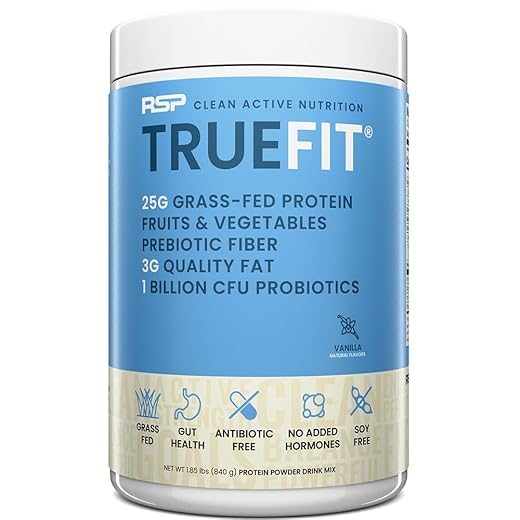
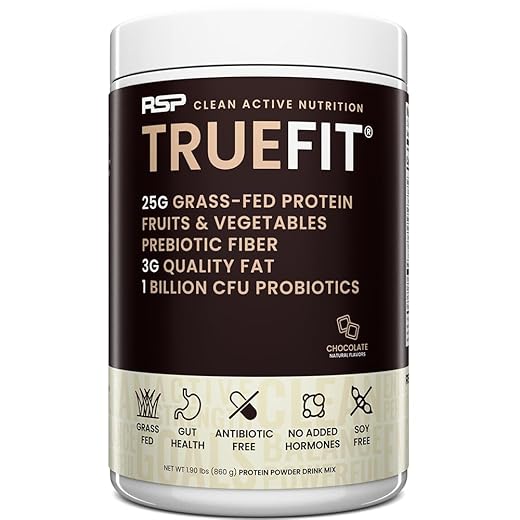


TrueFit Grass‑Fed Gut Meal Shake
A high‑protein, gut‑friendly meal replacement built around grass‑fed whey with added prebiotics, probiotics and superfood blends. It mixes smoothly, supports recovery, and is a solid choice for people who want whey protein plus digestive support in one product.
Pros
- 25 g grass‑fed whey protein per serving
- Includes prebiotics, probiotics, fiber and MCT oil
- Keto‑friendly and low net carbs (5–6 g)
- Smooth texture and wide flavor acceptance
Cons
- Can be pricier than basic whey powders
- Some flavors may taste earthy to sensitive palates
What it is and who it's for
TrueFit is an all‑in‑one grass‑fed whey meal replacement designed to support muscle recovery while also promoting gut health. The formula pairs 25 g of whey protein with over 1 billion CFU probiotics, prebiotic fiber and a blend of organic fruits and vegetables, plus MCTs to help satiety and cognitive energy. It targets users who want a performance protein that’s also easy on digestion.
Key features and benefits
- 25 g grass‑fed whey protein, ~5 g BCAAs and glutamine for recovery
- Prebiotic fiber + probiotic CFUs to support digestion and regularity
- Keto‑friendly profile with low net carbs and clean label (non‑GMO, gluten free)
Customers consistently highlight the smooth mixability and gentle digestion. One reviewer noted: "I have IBS so it’s been really hard to find a protein shake that agrees with my tummy but this one hits it out of the park!" That kind of feedback supports the product’s positioning as both performance‑oriented and gut‑friendly.
Limitations and practical tips
TrueFit is a premium option, so cost per serving is higher than basic whey powders; expect mid‑to‑high price depending on supply and packaging size. A few users find certain flavors a bit earthy or sweet — mixing with milk alternatives (oat, almond, coconut) or adding frozen berries often balances the flavor without upsetting digestion.
Buying guide — quick comparison
Protein: high (25 g). Sugar: low. Taste: smooth, some flavors can be earthy. Price per serving: moderate to premium (~$2–$3+ depending on container size). Choose this if you want a genuine grass‑fed whey with probiotics built in and you value recovery plus digestive support.
TrueFit Gut Healthy Whey Meal Shake
A slightly different listing of the TrueFit formula that emphasizes digestive wellbeing alongside performance nutrition. It’s a solid daily meal replacement for people who want whey‑based recovery without digestive upset.
Pros
- 25 g grass‑fed whey for muscle support
- Prebiotics + 1 billion CFU probiotics per serving
- Low calorie and keto‑friendly option
Cons
- Higher cost compared with basic whey powders
- Flavor sensitivity — some users find it too sweet or earthy
Why it stands out
This TrueFit version reiterates the brand’s focus: combine grass‑fed whey with gut‑friendly ingredients to create a recovery shake that’s easy on digestion. It’s aimed at athletes and busy people who want meal replacement capability (satiety + nutrients) and digestive benefits from one scoop.
Notable features and user benefits
- 25 g protein from grass‑fed whey, ~5 g BCAAs, plus glutamine for recovery
- Prebiotic fiber and probiotics to support gut flora and reduce bloating
- Clean label: no GMOs, gluten free, no artificial ingredients, low net carbs
Many users report less post‑shake bloating and a pleasant, thin consistency that blends well with water or milk. One practical tip: if you find the flavor overwhelming, try mixing half a scoop with half a scoop of unflavored protein or add ice and fruit for a smoothie‑style drink.
Limitations and practical tips
TrueFit is not a bargain shelf whey — you pay extra for the gut‑centric extras. If you only want protein without the probiotic/prebiotic benefits, there are cheaper pure whey isolates available. Also, if you are sensitive to flavors, order a smaller size first to test.
Buying guide — quick comparison
Protein: high (25 g). Sugar: low. Taste: smooth though some flavors can be polarizing. Price per serving: premium (~$2–$3+). Ideal when you want a whey-based recovery shake with built‑in digestive support.
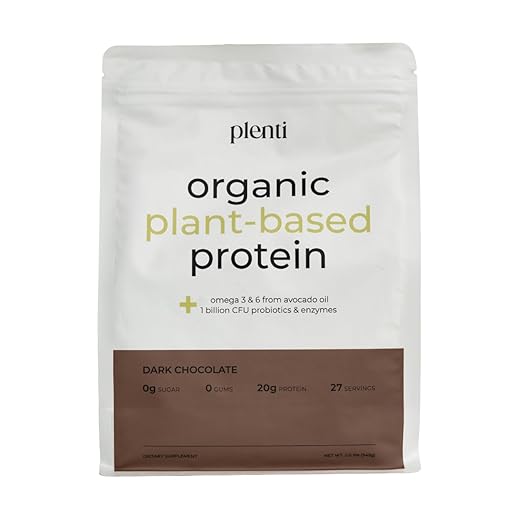
plenti Organic Dark Chocolate Protein
A small‑ingredient, organic plant protein focused on clean sourcing and gut comfort (no gums, 1 billion CFU probiotics). It’s great if you want a dark chocolate flavor without fillers and with third‑party heavy metal testing.
Pros
- 20–22 g complete plant protein from pea and pumpkin seed
- Only eight real ingredients; no gums or fillers
- Includes digestive enzymes and 1 billion CFU probiotics
Cons
- Premium price point per serving
- Smaller flavor range compared with mainstream brands
What makes plenti different
plenti takes a minimalist approach: organic pea + pumpkin seed protein, healthy fats from avocado oil, coconut milk powder for creaminess, stevia for sweetness, and targeted gut support (digestive enzymes + probiotics). The company emphasizes third‑party testing for heavy metals and microbes and avoids common thickeners that can irritate digestion.
Key benefits and use cases
- 20–22 g complete protein per scoop with essential amino acids
- Gut‑forward formulation: no gums, added enzymes and 1 billion CFUs of probiotics
- Smooth dark chocolate flavor using real cacao, designed to avoid chalky or artificial tastes
Users who prioritize ingredient transparency and digestive tolerance appreciate its clean list. It mixes well in water or plant milk, and because it has fewer additives, it’s a good option for people who react to gums or emulsifiers.
Limitations and practical tips
The premium ingredient list is reflected in price per tub — this isn’t an economy powder. Also, fewer flavor choices mean you might want to try a sample before committing to a large pouch. For creamier shakes, blend with a tablespoon of nut butter or half a banana.
Buying guide — quick comparison
Protein: 20–22 g. Sugar: sugar‑free. Taste: clean dark chocolate. Price per serving: premium (~$2.50+). Pick plenti if you want a minimal, well‑tested formula that’s gentle on the gut and made with high‑quality plant ingredients.
Garden of Life Organic Vegan Protein
A well‑rounded organic plant protein that blends pea and sprouted grains with live probiotics and enzymes for digestion. It’s an economical choice for vegans or anyone avoiding dairy who still wants BCAAs and digestive support.
Pros
- 22 g plant protein and BCAAs per serving
- Contains raw probiotics and digestive enzymes
- USDA Organic, Non‑GMO and gluten free certifications
Cons
- Some users find the flavor or sweetness strong
- Texture can be chalky if not blended well
What it is and who it's for
Garden of Life Organic Vegan Protein is a plant‑based powder made from organic peas, sprouted grains, seeds and legumes with added BCAAs, raw probiotics and digestive enzymes. It's aimed at people who prefer plant protein but still want the recovery and gut support usually associated with whey formulas.
Key features and real‑world benefits
- 22 g complete plant protein and ~4 g BCAAs per scoop
- Raw probiotics (including Bacillus subtilis DE111) and digestive enzymes like papain and lactase
- Low‑temperature processing to preserve nutrient quality; certified USDA Organic and NSF GF
Users report improved digestion and daily energy after switching to it, though taste opinions vary — some prefer to blend with cold water or a blender stick to avoid a chalky mouthfeel. One tip: use additional liquid (8–10 oz) and a handheld blender for the smoothest result.
Limitations and practical tips
Plant protein textures vary — if you’re sensitive to chalkiness, start with small batches and blend thoroughly. The formula includes a sweetener profile some users dislike; if you prefer to control sweetness, opt for unflavored or mix with unsweetened milk alternatives.
Buying guide — quick comparison
Protein: moderate (22 g). Sugar: generally low/zero. Taste: variable — blends well but can be chalky if under‑mixed. Price per serving: budget‑friendly (~$1–$2 depending on promo pricing). Great pick if you want certified organic, vegan protein with probiotics on a reasonable budget.
Garden of Life Vegan Vanilla Protein
A flavored plant protein that balances texture and taste with probiotics and digestive enzymes. It’s a dependable everyday vegan choice for shakes, smoothies, and baking when you want a vanilla option that mixes easily.
Pros
- 22 g plant protein and naturally occurring BCAAs
- Vanilla flavor that mixes smoothly for shakes
- Includes probiotics and enzymes for digestion
Cons
- Some users still find plant texture noticeable
- Contains multiple ingredients that may be unnecessary for minimalists
What it is and who should use it
This Garden of Life vanilla protein is a flavored sibling to their unflavored formula, offering 22 g of plant protein per serving with probiotic and enzyme support. It’s targeted at users who prefer a flavored shake that mixes well without adding dairy.
Standout features
- 22 g plant protein with ~4 g BCAAs and ~5 g fiber (depending on formula variant)
- Probiotic strain DE111 plus proteolytic enzymes for easier digestion
- Vanilla flavor formulated to reduce chalkiness and improve palatability
People who switch to this from other vegan proteins often note improved blendability and a cleaner vanilla taste. It works well in smoothies or just stirred with milk alternatives for an on‑the‑go drink.
Limitations and practical tips
If you prefer minimal ingredient lists, this flavored product adds sweeteners and flavor components you may not want. For thick, creamy shakes, blend with frozen banana or a nut milk; for lighter shakes, add extra water.
Buying guide — quick comparison
Protein: 22 g. Sugar: low/zero. Taste: vanilla is generally well accepted. Price per serving: affordable (~$1–$2). Choose this when you want an easy‑mixing vanilla plant protein with digestive support.
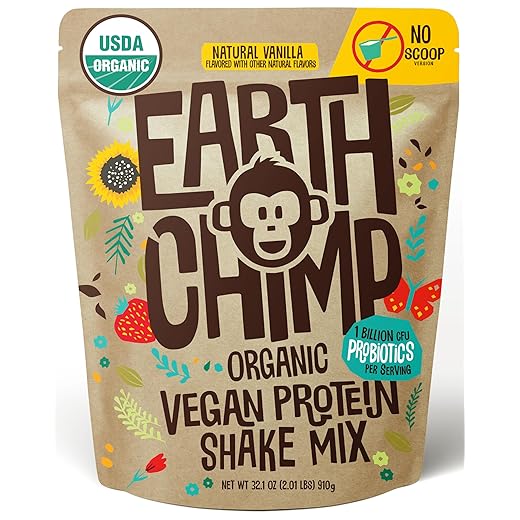
EarthChimp Organic Vegan Vanilla Protein
A USDA Organic, vegan powder that includes probiotics and avoids sugar alcohols and artificial flavors. It’s an accessible choice for those who want an organic plant protein with digestive support at a midrange price.
Pros
- 20 g organic plant protein per serving
- USDA Organic with added probiotics
- No sugar, no artificial flavors, and free of soy/dairy
Cons
- No scoop included in some packages
- May be thinner in texture compared with thicker meal replacements
Who should consider EarthChimp
EarthChimp delivers a straightforward organic plant protein (20 g) with added probiotics and a clean ingredient profile. It’s pitched to users who want an organic, dairy‑free option without sugar or sugar alcohols, suitable as a daily protein boost or light meal replacement.
Highlights and everyday benefits
- 20 g organic protein and a probiotic component to support digestion
- USDA Organic, vegan, gluten free and free from common nasties like erythritol or artificial flavors
- Available in vanilla and chocolate; mixes well in smoothies or with plant milk
Many customers appreciate the label simplicity and that the product avoids sugar alcohols. Note the packaging choice: some listings intentionally omit a scoop to reduce plastic waste — keep a clean reusable scoop on hand or measure with a tablespoon.
Limitations and practical tips
Expect a lighter texture than full meal replacement powders — this is ideal as a protein supplement rather than a calorie‑dense meal. If you want more satiety, add oats, nut butter or a scoop of yogurt to your shakes.
Buying guide — quick comparison
Protein: 20 g. Sugar: none. Taste: mild vanilla, pleasant when blended. Price per serving: midrange (~$1.50–$2). Good pick if you want certified organic, no sugar, and a probiotic‑containing plant protein at reasonable cost.
Final Thoughts
Top pick: TrueFit Grass-Fed Gut Meal Shake — Best overall for performance + digestion. Why: it’s a high-protein, grass-fed whey meal replacement with added prebiotics, probiotics, and superfoods. Protein: typically on the higher end for a meal shake (~20–30 g per serving). Sugar: low. Taste/mixability: smooth and dairy-forward; mixes easily and works as a recovery shake or meal replacement. Price: premium per serving (expect higher cost than basic plant powders). Ideal if you want whey-based recovery without digestive upset and you don’t need a vegan option.
Best plant-based pick: plenti Organic Dark Chocolate Protein — Best for minimal ingredients and flavor. Why: clean, organic plant protein with a simple ingredient list, no gums, and about 1 billion CFU probiotics. Protein: moderate (~15–20 g). Sugar: low. Taste/mixability: rich dark chocolate — good in shakes and desserts. Price: midrange. Ideal if you want a short-ingredient list, solid chocolate flavor, and third-party heavy-metal testing.
Quick buying guide:
- Protein hit: choose TrueFit (highest protein per serving) or Garden of Life (plant-based with respectable BCAAs).
- Sugar: all picks focus on low sugar; check the label if you need <2–3 g per serving.
- Taste & mixability: flavored plant proteins (Garden of Life Vegan Vanilla, EarthChimp) mix best in smoothies; grass-fed whey tends to feel creamier on its own.
- Price per serving (approx.): Garden of Life Organic Vegan Protein — budget-friendly (~$0.8–$1.2), EarthChimp & plenti — midrange (~$1–$2), TrueFit — premium (~$2+).
- Gut support: look for live CFUs, added prebiotics, and digestive enzymes. If you have dairy sensitivity, avoid whey options and choose a vegan formula.
FAQ
Do probiotic protein shakes actually help digestion?
Yes — when the product contains live CFUs (colony forming units) and the strains are stable in powder form. They can support short-term digestive comfort and may help with occasional bloating. Expect incremental benefits, not instant 'cures'.
Which is better for post-workout: whey with probiotics or plant protein with probiotics?
Whey (TrueFit) is typically better for fast muscle recovery because it’s higher in leucine and absorbed faster. Plant blends (plenti, Garden of Life) can still support recovery but usually provide slightly less immediate stimulus — they’re best if you prefer vegan options or have dairy sensitivity.
How many probiotics do I need per serving to notice an effect?
Look for at least hundreds of millions to a few billion CFUs per serving in a food product. Supplements may list higher counts. Keep in mind strain type matters too — common helpful strains include Lactobacillus and Bifidobacterium species.
What should I check on the label besides probiotics?
Check protein grams, sugar per serving, ingredient count (fewer fillers = cleaner product), presence of digestive enzymes, and whether the product is third-party tested for heavy metals or contaminants.
Any tips to make these shakes taste better?
Yes — blend with frozen banana or berries, use chilled milk or a milk alternative, add a spoonful of nut butter for creaminess, or mix powder into yogurt. For plant proteins with chalkier textures, a high-speed blender helps.
Are these powders safe for sensitive stomachs?
Many on this list are formulated for gut comfort (minimal gums, digestive enzymes, and probiotics). If you have a diagnosed intolerance (lactose, IBS, FODMAP sensitivity), choose a suitable base: plant proteins for dairy intolerance, or low-FODMAP formulations if needed.
How do these options compare on price per serving?
Approximate ranges: Garden of Life Organic Vegan Protein is the most budget-friendly (~$0.8–$1.2 per serving). EarthChimp and plenti sit in the midrange (~$1–$2). TrueFit (grass-fed whey meal replacement) is premium (~$2+). Prices vary by retailer and promotions.


