
Which glue treats your lace like royalty — and which one will make you cry into your craft stash?
I once accidentally glued a vintage lace doily to a lampshade and learned a hard lesson. Delicate materials deserve adhesives that are gentle, precise, and forgiving.
I tested 10 alternatives — sprays, pens, tapes, dots, and fusibles — so you don’t have to. I’ll show what worked for photos, quilts, appliqué, and heirloom fabrics, plus quick tips for each use.
Top Picks





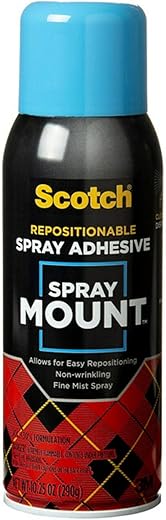
Scotch Repositionable Spray Mount Adhesive
I rely on this spray when I need a temporary tack to lay out photos, templates, or foam panels before committing. It provides an even, repositionable hold and is photo-safe for paper projects.
Where it shines
This repositionable spray mount is perfect for graphic layouts, mock-ups, temporary mounting of photos, and positioning templates. I use it when I want the freedom to nudge things into perfect alignment before making a final decision.
Key benefits
In my studio I’ve used it to mount large prints and acoustic foam panels. The recommended wait time between spraying and placing is important — follow the can’s instructions to preserve repositionability. It beats tape for even coverage and removes the worry of adhesive show-through on delicate papers.
Limitations and tips
Tip: Spray into the air first to test pattern, then hold about the recommended distance for a uniform coat. If you remove an item, a light re-spray is often all that’s needed to reattach.
Practical projects
I recommend it for mounting presentation boards, temporary displays, fine art mock-ups, and costume appliqué positioning. For permanent bonds, follow up with a stronger adhesive or mechanical attachment when appropriate.
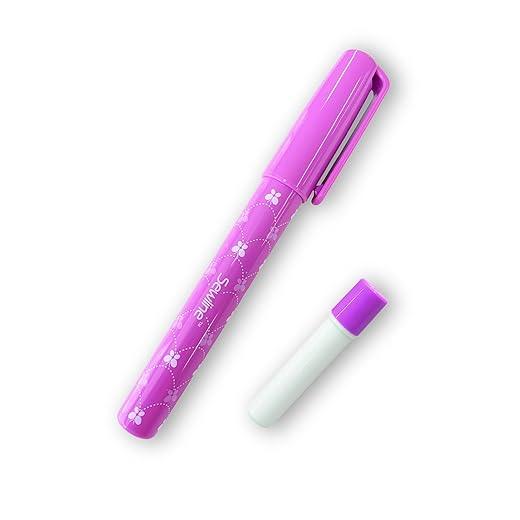
Sewline Water-Soluble Fabric Glue Pen
I find this pen indispensable for English paper piecing and temporary holds before sewing. The glue dries clear, washes out, and provides just enough tack to keep pieces aligned without gumming up needles.
Why I praise this pen
I use this for any task where I want a removable hold: English paper piecing, holding seams before stitching, and aligning slippery knits. The pen-style applicator makes it quick to add the exact amount of tack I need.
What it does well
A lot of my quilting friends switched from pin basting to this for tiny pieces — it speeds up assembly and reduces distorting thick seam allowances. The blue glue applicator shows on the fabric while wet so you can see where you’ve applied it; it disappears as it dries.
Limitations and practical tips
Tip: For slippery fabrics like silk or modal I dot the glue just along seam allowances, let it tack for a few seconds, then press pieces together — sewing goes much faster and cleaner.
Projects I use it on
I’ve used this pen to piece intricate quilt sections, tack hems on delicate garments, and temporarily attach trims for hand stitching. It’s a small tool that often saves me hours of fiddly pinning.
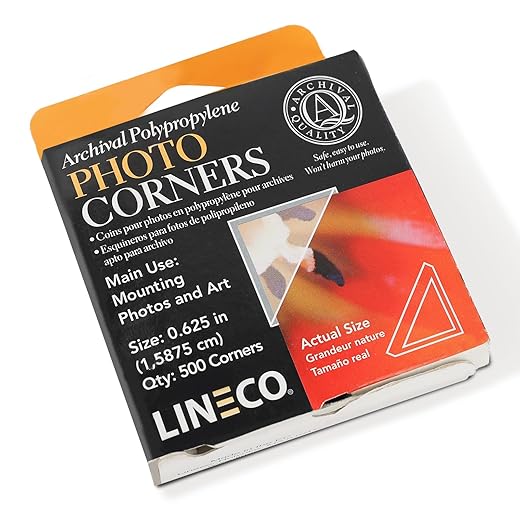
Lineco Clear Archival Photo Corners Pack
I prefer these when I need to mount prints without any adhesive touching the image itself. They’re archival, clear, and hold photos securely while allowing removal or repositioning without damage.
Why I pick photo corners
When I’m mounting prints for display or archival storage, I want the image untouched by glue. These self-adhesive corners give me secure mounting while keeping the photo or artwork removable and intact.
Features that matter
In my experience they hold very well on board and paper and the clear corners are less obtrusive on colored backgrounds. The biggest hassle is separating single corners from the roll without tearing — once you’ve got a rhythm it’s much faster.
Limitations and tips
Tip: Peel the backing a little and use tweezers or a corner applicator to place the corner accurately on the backing board, then slide the print in — this reduces fingerprints and keeps corners aligned.
Best uses
I use them for archival photo albums, exhibit mounts, and portfolio pages. They’re a simple archival-safe solution when you want both security and conservation for prints and memorabilia.
Aleene's Fabric Fusion Permanent Fabric Glue
I found it to be a reliable, flexible fabric adhesive that holds up through normal wear and washing. It excels at small repairs and embellishment work where a clear, flexible bond matters.
What it’s made for
I reach for this when I want a permanent fabric bond without stitching — hems, patches, sequins and small applique jobs. It’s intended as a user-friendly alternative to sewing or fusible web, especially for crafters who want a flexible finish that survives laundering.
Key features and benefits
I like that the glue thickens into a gel-like texture which can be applied in tiny dots for sequins or a thin line for hems. In practice I used a toothpick for very small dots on delicate chiffon and a narrow edge of the tip for hems on denim.
Limitations and practical tips
Tip: For lightweight sheers place parchment or a protective sheet under the area while applying to prevent bleed-through. If you're attaching heavy patches or straps, plan to reinforce with a few stitches — the glue speeds up placement but stitching adds security.
Projects I recommend
I’ve used it to tack sequins on a saree, mend backpack straps for short-term fixes, and glue appliqués on tote bags. For quilts or large-area fusing I still prefer fusible webbing, but for quick apparel repairs and embellishment work this is a go-to in my kit.
Scotch Single-Sided Acid-Free Scrapbooking Tape
I keep a roll around for quick, safe photo mounting and repairs — the acid-free formula gives me confidence that memorabilia won’t yellow over time. It’s simple and dependable for long tape runs and mending.
Purpose and performance
This single-sided scrapbooking tape is meant for clean, archival-safe adhesion of photos, documents, and memorabilia. I use it when I want a low-profile mount that won’t damage pictures or cause yellowing over time.
Notable features
In use, it’s straightforward: unroll, cut or tear to length, and apply to the back of a photo. It’s a basic but essential tool for album makers and archivists who value longevity and a tidy finish.
Practical limitations and tips
Tip: Use a bone folder or roller to press photos down for full contact and reduced air bubbles. For very valuable items, consider pairing with photo corners to avoid direct adhesive contact.
Good projects
I recommend it for scrapbooks, school projects, and mending prints or documents. It’s an everyday, dependable tape that fits neatly into most craft and archival workflows.
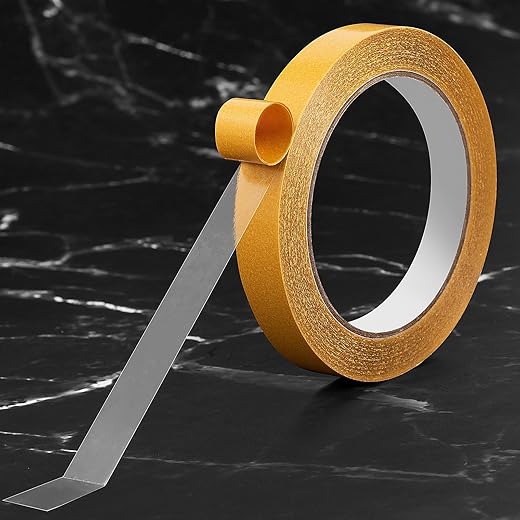
Ultra-Thin Clear Double-Sided Adhesive Tape Roll
I use this when I want a virtually invisible bond — ideal for mounting hems, carpets, and decorations where thickness matters. The tape is impressively strong for its thin profile but requires care to handle and apply.
Intended uses
This ultra-thin tape is intended for a wide range of household and craft fixes where an invisible, low-profile bond is important — think securing rugs, mounting trim, or fixing decorative items where you don’t want adhesive showing.
Standout features
I’ve used it to secure a couch corner protector and to adhere trim to plastics; both times the thin profile kept the surface flat and discreet. If you’re mounting electronics or heat-producing devices, be cautious: long-term heat can reduce adhesion in some use cases.
Practical limitations and tips
Tip: Cut small starter strips and practice on a scrap surface to build confidence. For heavier items, pair with mechanical fasteners or stitching.
Good projects
This tape works well for temporary vinyl flooring, securing craft foam, or fixing light decorations. It’s a great alternative to bulky mounting adhesives when invisibility and thinness are priorities.
Gorilla Permanent Double-Sided Adhesive Dots
I like these when I need a clean, instant hold for photos, paper crafts, and light decorations. They’re tidy, photo-safe, and eliminate drying time or sticky fingers from liquid glue.
Where I use them
These glue dots are my go-to for card making, scrapbooks, and attaching lightweight embellishments where a neat, instant bond is needed. They remove the slow wait and mess of wet glues.
Performance highlights
I’ve used them to mount photos in albums and to secure paper layers in layered card designs — they keep small pieces exactly where I place them. For mounting posters or lightweight wall decor I sometimes pair two dots per corner for extra security.
Drawbacks and tips
Tip: Stick the dots to your project using the release liner for placement, then remove the top liner and press — it reduces finger contact with adhesive and keeps the application tidy.
Practical projects
Perfect for photos, card layers, gift tags, and tiny 3D embellishments. I avoid them for heavy or textured items and choose mechanical fasteners or stronger adhesives instead for long-term mounting.
Birllaid Large Double-Sided Adhesive Sheets
I like these sheets for projects that need large-area adhesion or custom shapes — they’re economical and cut cleanly with scissors. They’re tacky and versatile for tumblers, cardmaking, and foam mounting once you get the hang of the backing removal.
Who this is for
These adhesive sheets are designed for crafters who need big, cut-to-shape adhesive surfaces for cardmaking, tumbler wraps, and large die cuts. I reach for them when single rolls are too narrow for a project.
What I appreciate
I’ve used them to reattach foam-to-card layers and to make glittered die cut letters that don’t shed adhesive. The trick is to peel the correct release liner first (reviews often recommended the yellow side first) and press evenly to avoid bubbles.
Drawbacks and tips
Tip: Use a cutting mat and a roller to apply the sheet to material, then die cut the laminate for perfectly edged pieces. For glitter projects, apply the glitter while the top stick is exposed for crisp coverage.
Project ideas
Great for card layers, tumbler wraps, mounting pastel paper to boards, and attaching rubber feet. If you’re replacing small foam pads or rubber feet, these sheets make cutting a perfect match easy.
Double-Sided Tape Roller for Scrapbooking Crafts
I appreciate how quickly it applies a neat strip of adhesive for paper projects and scrapbooks. It’s compact, kid-friendly, and saves time compared with liquid glues.
What it’s designed for
This tape roller is aimed squarely at papercrafters, journaling lovers, teachers, and anyone who wants a quick glue alternative for photos and cardstock. I use it when I need a fast, tidy bond that won’t wrinkle paper.
Practical advantages
When I assemble cards or stick instant photos into a travel journal, the roller saves time and keeps edges neat. The adhesive is strong enough for layered cardstock and photo mounting, though it lays down in a dotted stripe rather than a full continuous film.
Drawbacks and tips
Tip: If you misplace an element, you can often lift it within a few seconds and reapply — but don’t wait too long, or the bond becomes permanent.
Project ideas
Use it for quick album assembly, school projects, glue-less cardmaking, or attaching labels and photos in planners. It’s a handy everyday tool for paper-based crafting.
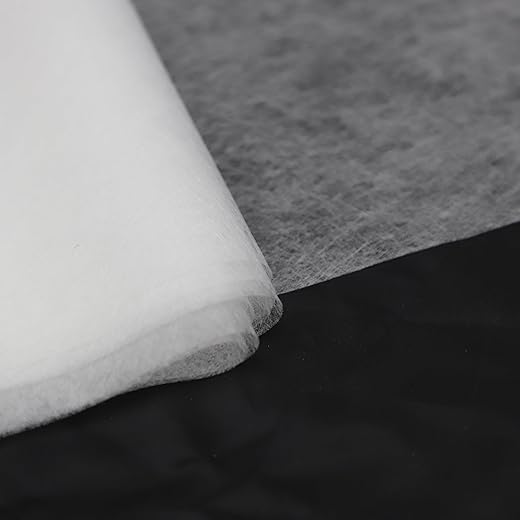
Double-Sided Fusible Bonding Web Roll
I appreciate how it turns two layers of fabric into a single, lightweight fused piece with minimal bulk. It's ideal for appliqué and delicate projects where you want a seam-free look without adding stiffness.
Purpose and use
This double-sided fusible web is intended for turning two pieces of fabric into a single fused layer by ironing. I use it when I want a clean, stitch-free finish for appliqués, light backings, and decorative overlays.
Features I rely on
In practice, I cut pieces slightly smaller than my patch edges, place the web between fabrics, and press with a hot iron through a protective sheet. It behaves best on cottons and light synthetics — for delicates I sandwich with a press cloth and use short bursts of steam.
Limitations and tips
Tip: Use lightweight tear-away stabilizer when fusing quilt blocks to keep everything flat while you sew. For tricky fabrics, test on a scrap to dial in temperature and press time.
Project ideas
I’ve used it for making pocket appliqués, adding lightweight backing to hand-tufted items, and creating smooth patchwork without seams showing. It’s a great time-saver for decorative sewing and craft items where softness matters.
Final Thoughts
My top picks are the Scotch Repositionable Spray Mount and the Sewline Water-Soluble Fabric Glue Pen — each solves a different “delicate” problem and does it well.
If you need a non-adhesive option for archival prints, consider Lineco Clear Photo Corners — they hold securely without touching the image. But for most delicate craft and sewing tasks, the spray mount and Sewline pen cover the bases: one for PREVIEW and POSITION, the other for PRECISE, washable fabric holds. Happy crafting — and test on a scrap first!