Why Consent-First Romance Matters — And Why You’ll Love It
Consent-first romance puts clear communication and mutual respect front and center. Studies show readers feel safer and more satisfied with emotionally mature relationships, not coercion. Imagine turning pages without worrying about boundaries being ignored.
This guide is practical and friendly. We’ll compare books like shakes — emotional maturity = protein, sweetness/steam = sugar, writing style = taste, cost/access = price per serving. That simple “nutritional facts” label helps you pick a read fast.
Whether you’re shopping for a new book or learning to write better romantic scenes, you’ll get clear takeaways. Expect quick comparisons, warning signs, and buying tips. At the end there’s a concise buying guide to help you choose consent-first romances that are satisfying, safe, and deliciously readable. I’ll also include examples, trigger notes, and content warnings so you can buy with confidence. Quick, friendly, and easy to use always.
1
What ‘Consent-First’ Romance Actually Means
Plain definition — what to expect on the page
Consent-first romance centers on characters who give enthusiastic, ongoing, mutual consent. That means:
Clear communication about wants and limits.
Respect for boundaries (physical, emotional, practical).
Accountability when someone messes up — real apologies plus changed behavior.
Emotional maturity from both sides: growth, reflection, and consent as an active choice, not a prize to win.
This isn’t just “they finally get together.” It’s the difference between a scene where a character says “no” and is listened to, versus one where persistent pressure is framed as passion.
Buzzy Romance
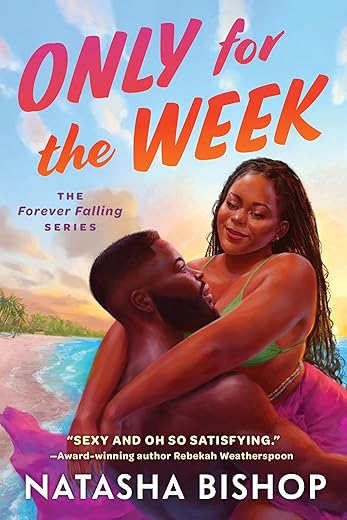
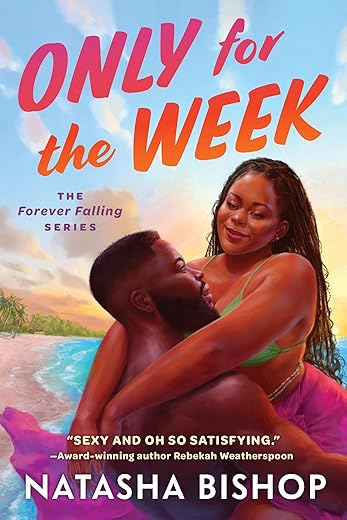
Only for the Week — Tulum Wedding Romance
Sexy vacation romance with Black joy
A fun, steamy contemporary romance about a one-week fling at a Tulum wedding that turns into something deeper, full of playful banter and messy family dynamics. Buy it if you enjoy quick-heat opposites-attract stories, friends-to-lovers tropes, and feel-good summer settings.
Common misunderstandings crop up in rom-com tropes. “He won’t take no for an answer — he’s just romantic” is a storyline to watch out for. Consent-first stories do not reward coercion, stalking, or one-sided grand gestures that ignore a partner’s wishes. Instead, they highlight negotiation, curiosity about the other person’s feelings, and clear yes/no moments.
Green flags vs. red flags — quick scene checks
Green-flag scenes often include:
A character asks for consent and accepts an immediate “no.”
A boundaries conversation with concrete adjustments (e.g., “I can’t do public PDA; can we cuddle at home?”).
A sincere apology that’s followed by changed behavior.
Red-flag scenes often include:
Pressure framed as persistence = romance.
Silent assumptions about a partner’s comfort.
Explanations like “they were too swept up to stop” instead of accountability.
How to rate a book quickly (your “nutritional facts”)
Think of each read like a shake you’re checking at a café:
Protein (emotional maturity): Do characters own mistakes and grow?
Sugar (sweetness/steam): How sweet or steamy is it — and is it consent-aware?
Taste (voice & craft): Is the writing engaging, honest, and considerate?
Price per serving (cost/availability): Is it easy to access or expensive relative to length and quality?
Practical tip: skim the first intimate scene, read author/reader notes for warnings, and scan reviews for “consent,” “boundaries,” or “accountability.” If a friend left a comment “loved how they talked through it,” that’s a strong green flag.
2
Reading the Label: Spotting Clear Consent and Emotional Maturity
Quick checklist for previews
When you skim a synopsis, sample chapter, or review, use this fast checklist to spot consent-first signals:
Explicit consent scenes or an obvious setup for them (not implied or “swept up” moments)
Mutual negotiation of intimacy (talks about limits, preferences, and timing)
Pausing and checking-in language (characters stop, ask, or re-confirm)
Clear power-balance treatment (no glamorized coercion or unchecked authority)
Aftercare and emotional processing (scenes that show comfort, apologies, or debriefing)
Growth arcs that show learning and changed behavior, not excuses
Editor's Choice
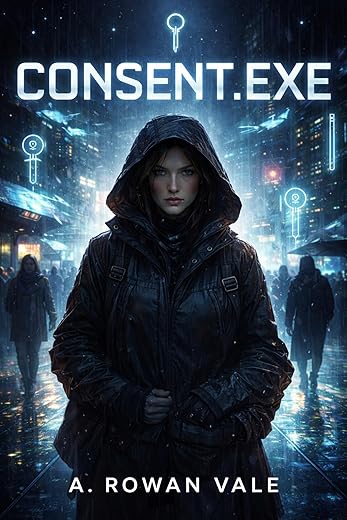
CONSENT.EXE: Act I — Near-Future Tech Thriller
Dark sci-fi about autonomy and surveillance
A tense near-future thriller where consent is encoded into systems and a woman who works inside that system uncovers a terrifying truth about memory edits and engineered care. Pick this up if you like cerebral, unsettling sci‑fi that probes surveillance, identity, and moral complexity.
These short phrases often appear in synopses, chapter excerpts, or reviews and are high-value flags:
“Do you want to…?” / “Is this okay?” / “Tell me to stop.”
“They stepped back when she said no.”
“They talked about boundaries before they tried anything.”
“A quiet check-in after” / “they sat together and debriefed”
“Power imbalance addressed” / “consent discussed in context of work/age/etc.”
Scene markers: boundary-setting conversation, a consent question before first touch, a post-intimacy check-in, and a visible apology-plus-change moment.
Your consent-first “nutritional facts” label
Jot these down like a café receipt for each book:
Emotional-Maturity (Protein): 0–5 — Do characters learn and take responsibility?
Sweetness/Steam (Sugar): Low / Medium / High — Is heat matched by consent language?
Quick real-world tip: I once found a slow-burn consent-first hit via a library hold, then snagged the ebook bundle on a BookBub sale—best of both worlds.
Read samples efficiently
Skim the first 10–20% for voice, pacing, and whether consent is named or modeled.
Jump to the first intimate scene: look for explicit negotiation, boundary-checking language, or clear “no/yes” moments.
If dialogue feels evasive or pressure-driven, move on—samples save time and money.
Use content warnings and consent tags
Look for CWs, “consent,” “consensual romance,” or “no dubcon” in descriptions or author notes.
Search reviews for phrases like “explicit consent,” “boundary talk,” or “power dynamics handled.”
On Goodreads/Twitter/BookTok, trusted reviewers often flag problematic beats—follow a few you trust.
Compare price-per-serving (quick math)
Library borrow: $0 (wait time is the “cost”).
Ebook sale: $2.99–$9.99 — low per-serving if you read fast.
Paperback: $8–$20 — physical keepsake value.
Audiobook: $7–15 per credit (Audible) or subscription monthly ($8–15) — great if you re-listen.
Example: a $9 ebook read in 6 hours = $1.50/hour vs. an $15 audiobook credit for an 8-hour book ≈ $1.88/hour.
Money-saving tactics
Place library holds and join waitlists.
Track sales with BookBub and eReaderIQ; wishlist and wait for 99¢–$3 deals.
Buy box sets or author bundles for per-book savings.
Share audiobook credits with family accounts where allowed.
Test taste and remember why you liked it
Read samples + 2 trusted reviews before buying.
Keep a tiny “nutritional facts” note for each book you love:
Protein (emotional depth): 1–5
Sugar (heat): 1–5
Taste (voice/pacing): short phrase
Consent clarity: explicit / implied / problematic
Price-per-serving: $X
Quick note: who you’d recommend it to
This makes future shopping fast and keeps your “consent-first” shelf full of truly satisfying reads.
5
For Writers and Recommenders: Crafting and Labeling Consent-First Romance
Crafting consent scenes that feel real
Write consent like a conversation, not a stage direction. Key moves:
Explicit negotiation: name wants, limits, and fallback plans (“If this gets too intense, say ‘stop’ and we’ll pause.”).
Enthusiastic yes: show real excitement, not just absence of resistance.
Clear boundaries: characters set, respect, and sometimes renegotiate limits.
Emotional work and consequences: include shame, awkwardness, repair, and growth — that’s the protein of the story.A quick anecdote: a writer friend rewrote a pivotal scene to include two pages of boundary talk and a pause; readers reported feeling safer and more invested afterward.
Show emotional labor and believable growth
Consent scenes aren’t a final exam — they’re a process. Show characters learning, apologizing, doing therapy/homework, and changing behavior. Treat growth like protein: it builds trust, makes intimacy believable, and keeps the romance from collapsing under convenient amnesia.
Metadata, blurbs, and “nutritional facts”
Make it effortless for readers to decide. Add short, scannable tags and a tiny “nutritional facts” blurb on product pages and back cover copy:
Emotional maturity: 3/5
Sweetness: low/medium/high
Heat: 1–5
Voice: wry, lyrical, cozy
Consent clarity: explicit / implied / problematic
Price-per-read: $X
Place clear content warnings up front (sexual assault, power imbalance, addiction, medical content), and use searchable tags like “consensual,” “recovery arc,” or “age-gap handled.”
Bestseller
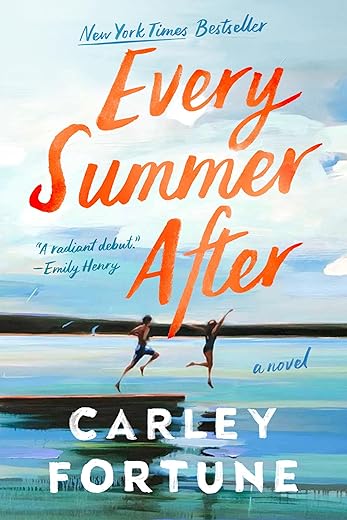
Every Summer After — Six Summers, One Reunion
Heartfelt second-chance romance with nostalgic vibes
A warm, emotional second‑chance love story that follows two people across six summers and one pivotal reunion as they confront past mistakes and buried feelings. Perfect for readers who love slow-burn reunions, evocative summer settings, and emotionally rich character-driven tales.
Hire sensitivity readers for topics like sexual trauma, neurodivergence, disability, cultural identity, and BDSM. They catch small but crucial mistakes and suggest respectful language. If you can’t afford paid readers, consult community resources or provide robust author notes.
Quick steps for reviewers and booksellers (no spoilers)
State consent clarity and emotional-maturity level in one line.
Include content warnings up front.
Compare to 1–2 similar titles for taste-matching.
Note price-per-read or format tips (audiobook vs. ebook).
Recommend audience types (“best for readers who like slow-burn + healing arcs”).
With these craft and labeling habits in place, you’ll help readers find safe, satisfying romances — and set the stage for the quick buying guide next.
Quick Buying Guide — Choose a Consent-First Romance You’ll Enjoy
Decide your priorities: protein (emotional depth), sugar (comfort/heat), and taste (voice/style). Scan the label for clear consent cues, emotional arc, trigger/content warnings, and signs of mutual respect. Sample the first chapter to test pacing and chemistry. Compare “shakes” by protein content (how nourishing), sugar (sentimentality/steam), taste (writing voice), and price per serving—library borrow, subscription, or single purchase.
Check reviews for reader experiences and look for explicit consent-first tags. Choose the best value for the emotional meal you want. Consent-first romance can be deeply satisfying—treat your reading like a little nutritional plan for the kind of emotional experience you crave. Try one new consent-first title this month; notice how it feeds you.
28 Replies to “Consent-First Romance: A Clear, Friendly Guide”
Personal note: discovering consent-first books changed how I expect relationships in fiction to feel. I re-read Every Summer After differently — the reunion hits but the scenes where characters check in? Chef’s kiss.
This guide is a nice bridge for people who love romance but want healthier storylines.
So glad to hear that, Laura. That’s exactly the kind of reader experience we hoped to encourage — enjoying emotional depth without normalizing boundary-crossing.
Solid article. The Practical Tips for Readers section was useful, but the buying advice felt a bit vague — like, how do I filter Amazon results for consent-first stuff? I clicked the Only for the Week — Tulum Wedding Romance link and there’s barely any tag data.
Yeah, Amazon tags are messy. I look at the first 20 reviews and ctrl-f for ‘consent’ or ‘boundaries’ — usually gives a quick sense. Not perfect, but better than nothing.
Thanks Marcus — point taken. The guide suggests looking at publisher blurbs, author notes, and reader reviews for keywords (consent, boundaries, mutual respect). Also try searching for author interviews or book-stan posts. I’ll add a short how-to for Amazon filters in the next update.
Writers, listen up — the ‘For Writers and Recommenders’ section was gold. But can we get more concrete labeling standards? Like:
1) Explicitly tag consent-first on the product page
2) Include a one-sentence note about power dynamics
3) Add content warnings where needed
Also, tiny pet peeve: CONSENT.EXE: Act I being a near-future tech thriller — if the plot includes tech-mediated consent, that needs to be spelled out for readers. Authors should own that in descriptions.
Love these suggestions, Sofia — very actionable. I’ll push for a recommended template authors can paste into their blurbs (tag + one-sentence power-dynamics note + C/Ws). Totally agree: when tech is involved it must be explicit in the description.
Good call, Emily. Including sample phrases or ‘how we handle consent’ in author notes could double as a mini-resource for readers unfamiliar with the terms.
Yes to the template. As a reader I appreciate bluntness: ‘This book includes a consent-first romance and addresses X power imbalance.’ Saves me a spoiler-y deep-dive before buying.
Also — maybe recommend authors include a few safe-words or boundary examples in author notes? That’d teach readers what to expect and normalise those tools.
Not at all — you can have loads of tension! Consent-first just means the tension doesn’t rely on ignoring boundaries or manipulation. The feels are still there, just healthier.
Exactly — think intense emotions, complex characters, but with clear respect for agency. The ‘Comparing Consent-First Romances — A Friendly ‘Shake’ Breakdown’ section tried to show how different flavors still contain drama without harmful behavior.
Nice primer. One thing I’m still fuzzy on: how do you judge emotional maturity in a character without spoiling the plot? The ‘Reading the Label’ section had good markers, but examples would help — maybe using CONSENT.EXE: Act I as a hypotethical case (no spoilers) to show what to look for.
Good point — I can add spoiler-free examples highlighting signals like apology + behavior change, setting boundaries publicly, and checking consent after a conflict. Using CONSENT.EXE as a hypothetical works well since it raises tech-power issues without naming plot beats.
One non-spoilery trick: look for a scene where the character explicitly asks ‘Is this okay?’ or later references prior consent conversations. Those are huge maturity flags.
Wow, this guide is exactly what I needed. The Quick Buying Guide helped me pick up Only for the Week — Tulum Wedding Romance last week and I was SO relieved to find clear communication scenes (and no creepy stalker vibes).
Also, Every Summer After made me cry but in a good way. ♥️
Small nit: maybe add a short paragraph about reconciling consent-first expectations with older classics that don’t check all the boxes? I still enjoy them but want to be mindful.
Thanks for sharing, Priya — love hearing the buy worked out! Adding a paragraph about enjoying older works while applying modern consent lenses is a great idea. I’ll draft something about enjoying classics critically and offering alternatives that meet consent-first standards.
Yes please — I still read older romance but now I add a ‘viewer discretion’ mindset. Knowing what to look for made re-reads way less triggering for me.
Where do people actually find more consent-first books aside from the ones listed? I tried searching ‘consent-first’ on Amazon and got nada. Any indie storefronts or Twitter/bookstagram accounts to follow? Also — lol @ the ‘Friendly Shake’ metaphor, made me chuckle 😂
Short list: follow tags like #ConsentReads and #ConsentFirst on bookstagram/Twitter, check publisher pages for trigger/content notes, and join niche Goodreads groups that focus on respectful romance. Indie bookstores often curate consent-first shelves too — worth emailing local stores to ask.







Personal note: discovering consent-first books changed how I expect relationships in fiction to feel. I re-read Every Summer After differently — the reunion hits but the scenes where characters check in? Chef’s kiss.
This guide is a nice bridge for people who love romance but want healthier storylines.
So glad to hear that, Laura. That’s exactly the kind of reader experience we hoped to encourage — enjoying emotional depth without normalizing boundary-crossing.
Totally relate — my taste shifted after one consent-forward book. Now I notice the little communication beats and appreciate them so much more.
Solid article. The Practical Tips for Readers section was useful, but the buying advice felt a bit vague — like, how do I filter Amazon results for consent-first stuff? I clicked the Only for the Week — Tulum Wedding Romance link and there’s barely any tag data.
Yeah, Amazon tags are messy. I look at the first 20 reviews and ctrl-f for ‘consent’ or ‘boundaries’ — usually gives a quick sense. Not perfect, but better than nothing.
Thanks Marcus — point taken. The guide suggests looking at publisher blurbs, author notes, and reader reviews for keywords (consent, boundaries, mutual respect). Also try searching for author interviews or book-stan posts. I’ll add a short how-to for Amazon filters in the next update.
Writers, listen up — the ‘For Writers and Recommenders’ section was gold. But can we get more concrete labeling standards? Like:
1) Explicitly tag consent-first on the product page
2) Include a one-sentence note about power dynamics
3) Add content warnings where needed
Also, tiny pet peeve: CONSENT.EXE: Act I being a near-future tech thriller — if the plot includes tech-mediated consent, that needs to be spelled out for readers. Authors should own that in descriptions.
Love these suggestions, Sofia — very actionable. I’ll push for a recommended template authors can paste into their blurbs (tag + one-sentence power-dynamics note + C/Ws). Totally agree: when tech is involved it must be explicit in the description.
Good call, Emily. Including sample phrases or ‘how we handle consent’ in author notes could double as a mini-resource for readers unfamiliar with the terms.
Yes to the template. As a reader I appreciate bluntness: ‘This book includes a consent-first romance and addresses X power imbalance.’ Saves me a spoiler-y deep-dive before buying.
Also — maybe recommend authors include a few safe-words or boundary examples in author notes? That’d teach readers what to expect and normalise those tools.
Is ‘consent-first’ basically romance with no drama? Because I love drama. 😅
Not at all — you can have loads of tension! Consent-first just means the tension doesn’t rely on ignoring boundaries or manipulation. The feels are still there, just healthier.
Exactly — think intense emotions, complex characters, but with clear respect for agency. The ‘Comparing Consent-First Romances — A Friendly ‘Shake’ Breakdown’ section tried to show how different flavors still contain drama without harmful behavior.
Nice primer. One thing I’m still fuzzy on: how do you judge emotional maturity in a character without spoiling the plot? The ‘Reading the Label’ section had good markers, but examples would help — maybe using CONSENT.EXE: Act I as a hypotethical case (no spoilers) to show what to look for.
Good point — I can add spoiler-free examples highlighting signals like apology + behavior change, setting boundaries publicly, and checking consent after a conflict. Using CONSENT.EXE as a hypothetical works well since it raises tech-power issues without naming plot beats.
One non-spoilery trick: look for a scene where the character explicitly asks ‘Is this okay?’ or later references prior consent conversations. Those are huge maturity flags.
Wow, this guide is exactly what I needed. The Quick Buying Guide helped me pick up Only for the Week — Tulum Wedding Romance last week and I was SO relieved to find clear communication scenes (and no creepy stalker vibes).
Also, Every Summer After made me cry but in a good way. ♥️
Small nit: maybe add a short paragraph about reconciling consent-first expectations with older classics that don’t check all the boxes? I still enjoy them but want to be mindful.
Thanks for sharing, Priya — love hearing the buy worked out! Adding a paragraph about enjoying older works while applying modern consent lenses is a great idea. I’ll draft something about enjoying classics critically and offering alternatives that meet consent-first standards.
Thanks Jake — I’ll sweep for typos. And Laura/Priya — I’ll include a short ‘how to enjoy older books responsibly’ sidebar.
Yes please — I still read older romance but now I add a ‘viewer discretion’ mindset. Knowing what to look for made re-reads way less triggering for me.
If anyone’s making a classics-to-consent-first reading list, put me down. I’d love recs that show progress from ‘meh’ to ‘great.’
Noted. Also: typos in the article? I saw one in the Practical Tips header (tiny). Otherwise loved the content 👍
Where do people actually find more consent-first books aside from the ones listed? I tried searching ‘consent-first’ on Amazon and got nada. Any indie storefronts or Twitter/bookstagram accounts to follow? Also — lol @ the ‘Friendly Shake’ metaphor, made me chuckle 😂
Also try BookBub lists and newsletters from small presses that specialize in romance. They often curate consent-focused recs.
If people want, I’ll compile a starter list of accounts, indie presses, and groups and post it in the comments next week.
Short list: follow tags like #ConsentReads and #ConsentFirst on bookstagram/Twitter, check publisher pages for trigger/content notes, and join niche Goodreads groups that focus on respectful romance. Indie bookstores often curate consent-first shelves too — worth emailing local stores to ask.
I follow a couple of Bookstagrammers who only post consent-forward reads — DM me if you want their handles!