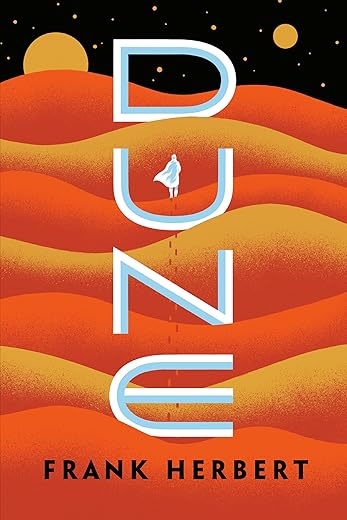
Spice, Shrikes, and Simulated Cities — which classic will warp your brain first?
Books are time machines. You open one and suddenly you’re on a desert planet, in a neon megacity, or leading a revolution. One page and your commute vanishes.
Top Picks
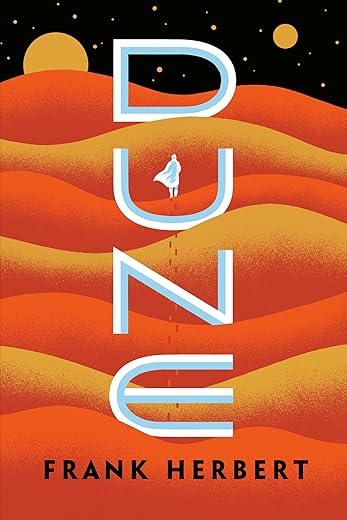
Dune: The Arrakis Political Epic
A multi-layered epic that blends politics, ecology, religion, and hero’s journey into a single, unforgettable narrative. Dense and rewarding — readers who enjoy deep worldbuilding and long-form political intrigue will find a lot to love.
Why it matters
Frank Herbert crafts an epic of power, survival, and environment set on the desert world of Arrakis. The novel operates on several levels simultaneously: adventure, political intrigue, religious mythmaking, and ecological cautionary tale. That combination gives readers both page-turning scenes and ideas that linger long after the last chapter.
Key features and memorable strengths
Benefits, limitations, and reading tips
The book rewards close reading: repeated themes and carefully placed details pay off in later sections. Some passages are expository and require patience — the payoff is conceptual depth and a sense of a lived history. For first-time readers, consider a well-annotated edition or companion guide if unfamiliar terms slow you down.
Buying guide
If you want a single-volume classic that shaped generations of sci-fi, choose a good-quality paperback or hardcover edition with introductions/notes. Prefer a print edition if you plan to re-read and annotate; choose an ebook for portability and searchable terms.
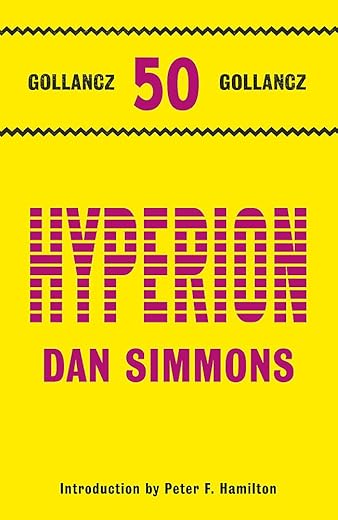
Hyperion: Pilgrims, Time Tombs, Shrike
A richly layered, Canterbury Tales–style structure that blends literary allusion, horror, and hard sci‑fi. Each pilgrim’s tale is distinct, making the book feel like several novellas woven into one unforgettable mosaic.
The concept
This first volume of an expansive cantos series follows seven pilgrims journeying to mysterious Time Tombs while each recounts a life-defining story. That nested-tale approach allows a wide variety of tones and themes — from war and faith to love and loss — all orbiting a central, eerie mystery.
Strengths and reading experience
Practical limitations and tips
Because the book deliberately jumps between voices and genres, some readers may prefer reading the series straight through to appreciate the full arc. The novel’s density and scope make it ideal for readers who relish slow digestion and re-reading.
Buying guide
Choose a modern paperback or hardcover omnibus if you want the series continuity; look for editions with maps or glossaries. If you’re new to the Cantos, pair the book with reading-group notes or online guides to track characters and references.
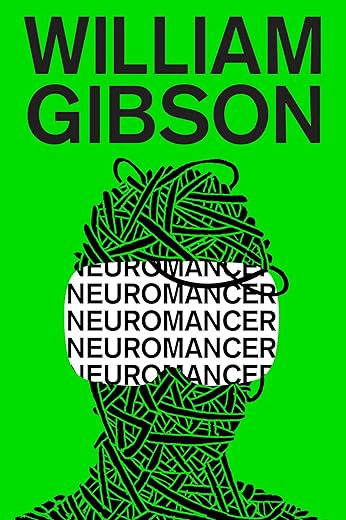
Neuromancer: Cyberpunk Genesis and Noir
A landmark that introduced cyberspace and defined the cyberpunk aesthetic: gritty urban noir, razor-sharp prose, and a sense of cool nihilism. Challenging in places but endlessly imaginative, ideal for readers curious about tech, linguistics, and cultural influence.
What it offers
A kinetic, neon-lit ride through a near-future underworld where hackers, AIs, and corporate power collide. The story centers on an antihero operative pulled back into the matrix for one last run against powerful intelligences. The novel's style and coinage of terms like "cyberspace" gave it a long cultural afterlife.
Strengths and signature elements
Practical insights and who should read it
This is perfect for readers who enjoy atmospheric, idea-driven sci-fi and don't need every detail spelled out. Expect occasional information-dense stretches and cultural references that age differently — re-reading often reveals layers missed the first time.
Buying guide
Look for editions with author notes or essays that contextualize the book; a quality paperback with an introduction by a critic can help newcomers. If prose density is a concern, try an audiobook narrated by a performer who captures the novel's cadence.
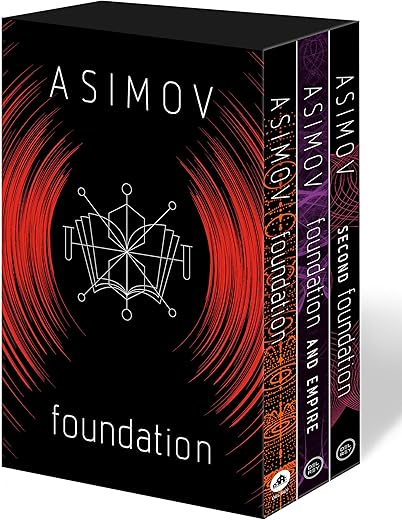
Foundation Trilogy Boxed Set: Psychohistory
A seminal trilogy that explores civilization, prediction, and the rise and fall of empires at galactic scale. Idea-driven and briskly plotted, it’s perfect for readers who enjoy intellectual scope more than intimate character study.
Overview
Isaac Asimov’s original Foundation trilogy imagines a future galactic empire and a scientific discipline—psychohistory—that can forecast broad social trends. The narrative covers centuries and centers on institutions and crises rather than a single protagonist, making it feel like a history textbook of the future.
Why readers return to it
Practical notes and edition tips
The boxed set is convenient: it keeps the original trilogy together and often includes extras like introductions. Watch for cheap printings; heavier paper and sturdier bindings improve longevity if you plan to keep the set on a shelf.
Buying guide
Pick a boxed edition if you want the whole original arc at once. If you prefer collectible quality, look for hardcover or special editions; if budget is a concern, a reputable paperback reprint reads very well.
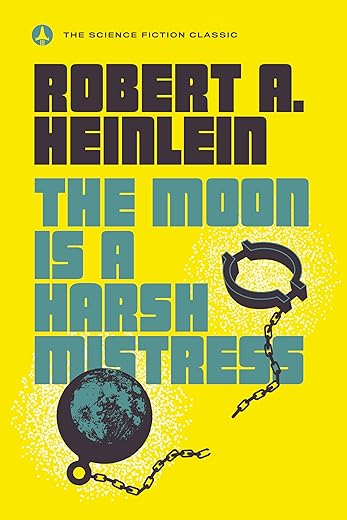
The Moon Is a Harsh Mistress
A provocative exploration of revolution, governance, and human adaptation in an extreme environment, told with wit and clear-eyed practicality. Sharp, speculative, and surprisingly humane, it prompts debate about freedom and social contracts.
Why it stands out
This novel frames a lunar uprising as a study in political theory, social adaptation, and human ingenuity. Told in first-person reports and colloquial Lunar speech, it balances tactical planning with philosophical debate and features a memorable sentient computer as a key ally.
Strengths and practical takeaways
Things to consider
The inventive Lunar dialect and older technological assumptions may present a brief barrier, but once acclimated, readers find the novel’s political thinking and character interplay compelling. It’s particularly suited to readers who enjoy political thought experiments embedded in fiction.
Buying guide
Seek an edition with a good introduction or reader’s notes if you’re reading for context. Audiobook versions that capture the Lunar cadence can ease the transition to the novel’s idiosyncratic voice.
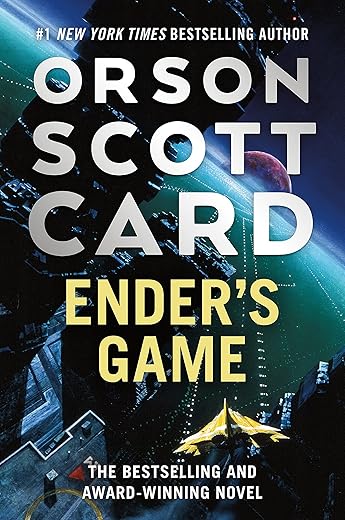
Ender's Game: Child Genius Battle School
A gripping blend of military strategy, psychology, and moral ambiguity told through the eyes of a child prodigy. Fast-paced and emotionally charged, it’s ideal for readers who like tight plotting with an ethical core.
Core strengths
A compact, high-stakes tale about training gifted children to meet an existential alien threat. The novel excels at portraying pressure, loneliness, and leadership through a young protagonist whose tactical brilliance is matched by personal vulnerability. It won major awards and remains a staple in modern sci-fi.
What readers appreciate
Limitations and context
The novel’s world is focused tightly on Battle School and Ender’s arc; broader political or cultural exposition is lighter. If you want deep, galaxy-spanning politics, you may prefer companion novels in the universe. Also be aware of debates around the author that some readers consider when choosing editions.
Buying guide
For first-time readers, pick a single-volume paperback or bundle that includes related short works if you want more background. Consider annotated editions or ones with afterwords for classroom use.
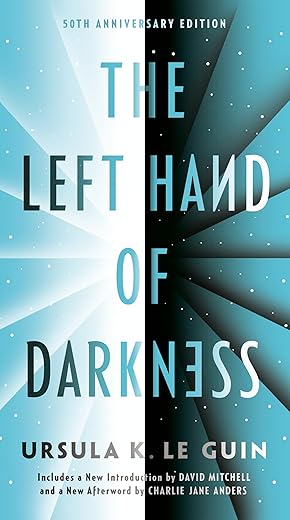
The Left Hand of Darkness: Ambiguous Gender Saga
A subtle, humane examination of gender, culture, and belonging that remains intellectually stimulating decades on. Reflective and beautifully written, it rewards patient readers who enjoy philosophical and sociological depth.
What it examines
This novel explores a deeply alien culture whose people are ambisexual most of the time, with profound effects on social norms and relationships. The narrative doubles as travel literature, political drama, and a study in empathy — the envoy-and-host relationship remains the emotional heart.
Notable strengths
Limitations and reading suggestions
The book is idea-rich rather than action-heavy. Readers who favor brisk plots should be prepared for introspective sections and long cultural expositions; these are where much of the novel’s power lies. Anniversary editions with critical essays are especially helpful for first-time readers.
Buying guide
Choose an anniversary edition with an introduction and afterword if you want modern context. Audiobook versions read by skilled narrators can also clarify rhythm and tone for readers who find the prose dense on first pass.
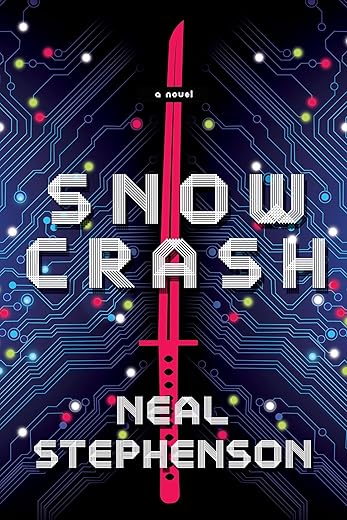
Snow Crash: Metaverse, Virus, High-Octane
A rollicking, idea-packed thriller that foresaw many elements of online virtual worlds and digital culture. Energetic and often hilarious, it’s an entertaining mix of action, theory, and speculative linguistics.
What to expect
A fast-paced mashup of cyber-thriller, linguistics, and cultural satire that introduced the term "metaverse" and influenced tech culture. The plot follows a pizza delivery warrior and a young courier as they unravel a dangerous digital and memetic contagion that crosses virtual and physical worlds.
Highlights and memorable scenes
Limitations and reader advisories
Some readers find the narrative’s gender and age dynamics uncomfortable today; others are momentarily bogged down by long expository sections. Still, the novel’s core energy and inventiveness make it a fast, thought-provoking read.
Buying guide
Select a recent reprint for clearer typography and any author notes. If you prefer a paced reading experience, try an audiobook to smooth dense passages and preserve the narrative rhythm.
Final Thoughts
If you want ONE definitive pick, grab "Dune: The Arrakis Political Epic." Strengths: towering worldbuilding, deep political and ecological themes, and a narrative that rewards patience. Ideal use case: long, immersive reads, book-club discussions, and readers who love getting lost in detailed universes.
For a sharp second pick, choose "Neuromancer: Cyberpunk Genesis and Noir." Strengths: compact, iconic vision of cyberspace, gritty prose, and kinetic pacing. Ideal use case: readers who want a faster read with huge cultural impact — perfect for fans of tech, noir, and punchy, idea-rich fiction.
Quick buying guide:
These choices cover grand epics, literary mosaics, sharp cyberpunk, and thought-provoking social fiction — pick the mood you want and dive in.
FAQ
Start with "Ender’s Game" or "Snow Crash." Ender’s Game is fast, emotionally engaging, and plot-driven. Snow Crash is high-energy, witty, and introduces modern tech-culture ideas without heavy worldbuilding.
Only the "Foundation Trilogy Boxed Set" is a true series—read it in order for the best experience. The others are standalone novels (or first books in broader universes) that generally work fine on their own.
"Hyperion: Pilgrims, Time Tombs, Shrike" is the best gateway to literary, genre-blending sci‑fi. Its Canterbury Tales structure introduces multiple voices and sophisticated themes while staying compelling and plot-forward.
"Neuromancer" and "Ender’s Game" are comparatively brisk and can be finished quickly. "Dune" and "Hyperion" are denser and ask for more time and attention.
"The Left Hand of Darkness" is the go-to for thoughtful gender exploration. "Dune" digs into politics, ecology, and religion. "The Moon Is a Harsh Mistress" tackles revolution and governance with a practical, provocative edge.
Both work. Choose audiobooks if you want immersive performances—great for long commutes or multi-hour sessions (Dune and Hyperion particularly benefit from good narrators). Choose print or ebook if you like to annotate, re-read passages, or savor dense worldbuilding at your own pace.




Snow Crash still reads like a caffeine-fueled prophecy about the internet — hilarious, frantic, and oddly prophetic. I love the linguistic theory bits mixed with skateboarder energy.
Comparing Snow Crash and Neuromancer is like comparing punk rock to dark jazz: both brilliant, different vibes.
Also — any recommendations for modern novels that capture that same tech-satire energy?
Don’t forget short fiction anthologies — lots of fresh takes there that echo early cyberpunk vibes.
If you want satire + social media era feel, try Doctorow first. He’s closer to Snow Crash in tone than you might expect.
Also check out some indie cyberpunk authors on smaller presses — they often riff on Stephenson/Gibson themes with modern twists.
Excellent analogy. For modern equivalents: Neal Stephenson’s later work sometimes channels that same speculative wit, and some authors like Charles Stross or Cory Doctorow mix satirical tech commentary with brisk plotting.
Dune is still king in my book — that worldbuilding is ridiculous in the best way.
I read it in college and got lost in the political intrigue for weeks. Would love a recommendation for a readable edition (paperback vs. illustrated) that holds up for rereads.
Also: does anyone think the newer movie adaptations capture the book’s scope, or is it always going to be ‘not enough sand’ on screen? 😅
Curious about audiobook recs too — I’ve never tried one for long epics.
I own an illustrated hardcover and it’s gorgeous, but honestly the story is the same — pick based on budget. Also, the sand in the movies looks epic 😂
Great question — for rereads I usually recommend a sturdy paperback (the Penguin Modern Classics or the Ace editions are common) unless you want the collector appeal of illustrated versions. For audiobooks, look for a full-cast or a well-rated single narrator; they can make the long sections easier to follow.
I did the 15-hour audiobook last year (single narrator) and it was surprisingly immersive — the narrator handled the terminology well. Movies are cool, but yeah, they condense a lot.
I respect Foundation a lot for its ideas, but the pacing isn’t for everyone. The trilogy feels almost episodic (which is part of the point), but I found it harder to connect emotionally with the characters.
If you’re looking for something with big concepts and brisk plotting, it’s great. If you want character-driven sci-fi, maybe pick something else from the list.
That’s a fair take — Foundation rewards readers who enjoy macro-scale thinking over intimate character arcs. You might pair it with something like Ender’s Game or The Left Hand of Darkness to balance character and idea.
Totally — I read Foundation after finishing Dune and appreciated the contrast. Different pleasures, both classics.
The Moon Is a Harsh Mistress is my guilty-pleasure controversial pick 😂
I love the wry, pragmatic voice in that book and the whole ‘let’s jailbreak a moon colony’ vibe. That said, the libertarian framing makes for some eyebrow-raising moments.
Anyone else find it fascinating but kinda problematic in places? I both adore and roll my eyes at it.
Exactly. I love the wit and practicality, but I also question some of the ideological conclusions. Still, it made me think — which is valuable.
That’s a common reaction — Heinlein sparks strong responses. It’s provocative and sharp, but the political assumptions can be challenging for modern readers. Great for debating ideas, less so for uncritical admiration.